
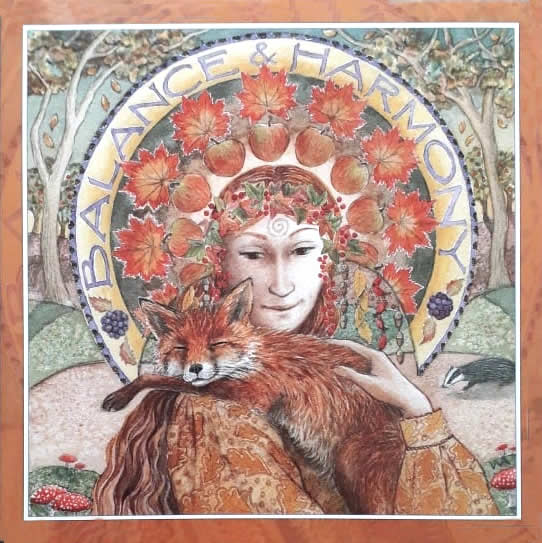
The Autumnal Equinox (Sept. 22, at 6:05 pm) ushers in fall, my favorite season! It is an explicit invitation to slow down, to notice the quiet shifts happening all around us. The trees offer us vibrant colors; shadows lengthen, the days are shorter, temperatures are cooler. Throughout time, the autumnal equinox has symbolized the delicate dance between light and dark. The verdant energy and warmth of summer starts to soften and eventually surrenders gracefully to autumn’s golden hues and crisp air. It’s a gentle dance of balance.
We are a part of nature’s cycles, not separate from them. Fall is our opportunity to recalibrate, get in touch with those deeper rhythms that shape us, and restore balance in our own lives. We are part of those cycles of growth, rest, and renewal. We need to take the time to honor the seasonal shift and celebrate our part in it; feel the earth beneath your feet, savor the cooler autumn air, reconnect with the wild that lives within you.
Throughout time, women have celebrated with harvest festivals that honored the earth goddesses. They came together, leaving their husbands, children, and homes, for several days. Camped together on the beloved earth, they fasted and prayed for fertility in the coming spring. Now we probbly don’t leave our homes and gather with others, but we can look back at the goals and intentions set early in the year and celebrate the personal milestones, growth, and achievements. Just as trees shed their leaves, we can use this seasonal threshold to release what no longer serves us. We seek equilibrium just as the dark and light are equal on the equinox. We can use this time to balance our busy lives with a quiet inward rest, honoring our own life cycles.
In Celtic and Pagan traditions, people celebrate the Equinox as Mabon, the festival of harvest and thanksgiving. Mabon is the god of the harvest and symbolizes the light within the dark, reminding us that even though the days grow shorter, renewal is waiting. In Irish lore, the Cailleach was the ancient divine hag or crone whose name means “veiled one” or simply “old woman of winter.” In Greek mythology, the equinox marks Persephone’s descent into the underworld—a symbol of the Earth’s quiet withdrawal into winter. As Demeter mourns her daughter’s departure, the land begins its slow surrender. But with Persephone’s return each spring, life is renewed, reminding us that even in the coldest, darkest moments, renewal is never far away.
As this Autumn Equinox approaches, let’s take a moment to pause, take a deep breath, and realign ourselves with the natural world. Let’s release what no longer serves us, ground ourselves deeply, and plant seeds of intention for this quiet time of the year. Let’s find the beauty of balance in ourselves as well as in the nature around us.
Autumnal Goddesses from Kindredspirit
By Sarah Robinson
Banbha (Celtic)
Banbha is celebrated at the Autumn Equinox, in the west on the Goddess Season wheel of Britannia (to learn more about Goddess Season Wheels check back on my article in KS issue 163). She is an Earth Mother and Queen. In Irish mythology, she is a founding mother of Ireland. One of Ireland’s ancient names is Banbha Isle of Women. As trees turn to gold and crimson, and we move towards the dark of winter, the last of the harvest is taken in. Banbha is associated with Gaia as the spirit of the land, the animals and ourselves.
Kerridwen (Celtic)
At the end of autumn, Samhain and Halloween are closely linked with the witchy figure of Goddess Kerridwen, Keeper of the Cauldron. She stirs the cauldron of rebirth, knowledge and transformation. She reminds us that out of darkness comes new life and new ideas. As a witchy goddess who can cross between worlds; Kerridwen also reminds us to honour and remember our dear departed and ancestors.
Autumnus (Roman)
The divine personification of the autumn season, representing the abundance of nature and the time of the harvest. The actual gender of this being is fluid, I’ve seen Autumnus portrayed as both male and female, all represent the harvest, wines, and fruits of the earth Goddess, blossoming with her seasonal array. In earth-based traditions, autumn is a time to appreciate the earth’s abundance, but also remembering that the daylight hours will now begin to wane, meaning caution is called for. So while we reap autumn’s bounty, we must also start planning for the dark months ahead.
Hestia (Greek)
I always think of Hestia, goddess of hearth and home, at autumn time. Her name means hearth fire and/or altar. Autumn is a season of returning home after travels and the adventures of long summer days. In ancient Greece, sacred hearth fires were constantly tended within her temples and offerings of sweet wine and food made in Hestia’s name. The magic of creating your home is precious, we are making life sweet and sacred for ourselves and others. Creating a warm and safe sanctuary to retreat to from the darkening days and dropping temperatures.
Demeter (Greek)
This harvest goddess oversees growing, preserving and harvesting of grain, patron goddess of millers and bakers. In Demeter’s honour; A festival called the Thesmophoria was celebrated by the married women of Athens. It was held annually in late autumn and celebrated human and agricultural fertility. The festival was restricted to adult women, who feasted, performed secret rites and made offerings of corn, fruits and nuts to Demeter.
Pachamama (Incan)
Pachamama is a fertility goddess known as both earth and time mother. Presiding over planting and harvesting of crops, she also embodies the mountains and earthquakes. She provides everything needed to sustain life. One myth tells if you do not treat the earth with respect, Pachamama becomes a dragon beneath the mountains, causing earthquakes; a reminder to honour her and the earth.
Prithvi (Hindu)
Goddess of earth; her fertility is the source of all plants and nourishment of all living creatures. The Sanskrit word for earth is prithvi. The goddess Prithvi is the personification of the Earth Mother, the essence of the earth element. At funerals, prayers are said to Prithvi that she may wrap the dead tenderly in her arms.